
Your Expert Retina Doctor in Kolkata at Saltlake Eye Clinic
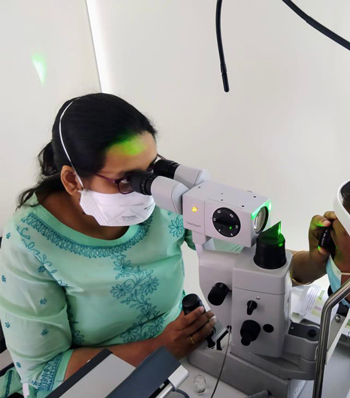
Global Eye Hospital / Amulyajyoti / Spectra Chinar Park, She is available at all these best eye clinics in Salt Lake Kolkata.
Discover unparalleled eye care at Dr. Sangeeta Roy’s Eye Clinic in Salt Lake, Kolkata. As a leading Retina Doctor in Kolkata, Dr. Roy offers specialized care for a wide range of retinal conditions. Our clinic in Salt Lake is equipped with the latest technology to provide precise diagnoses and effective treatments. Trust Dr. Roy’s expertise and compassionate approach to maintain your eye health and enhance your vision.
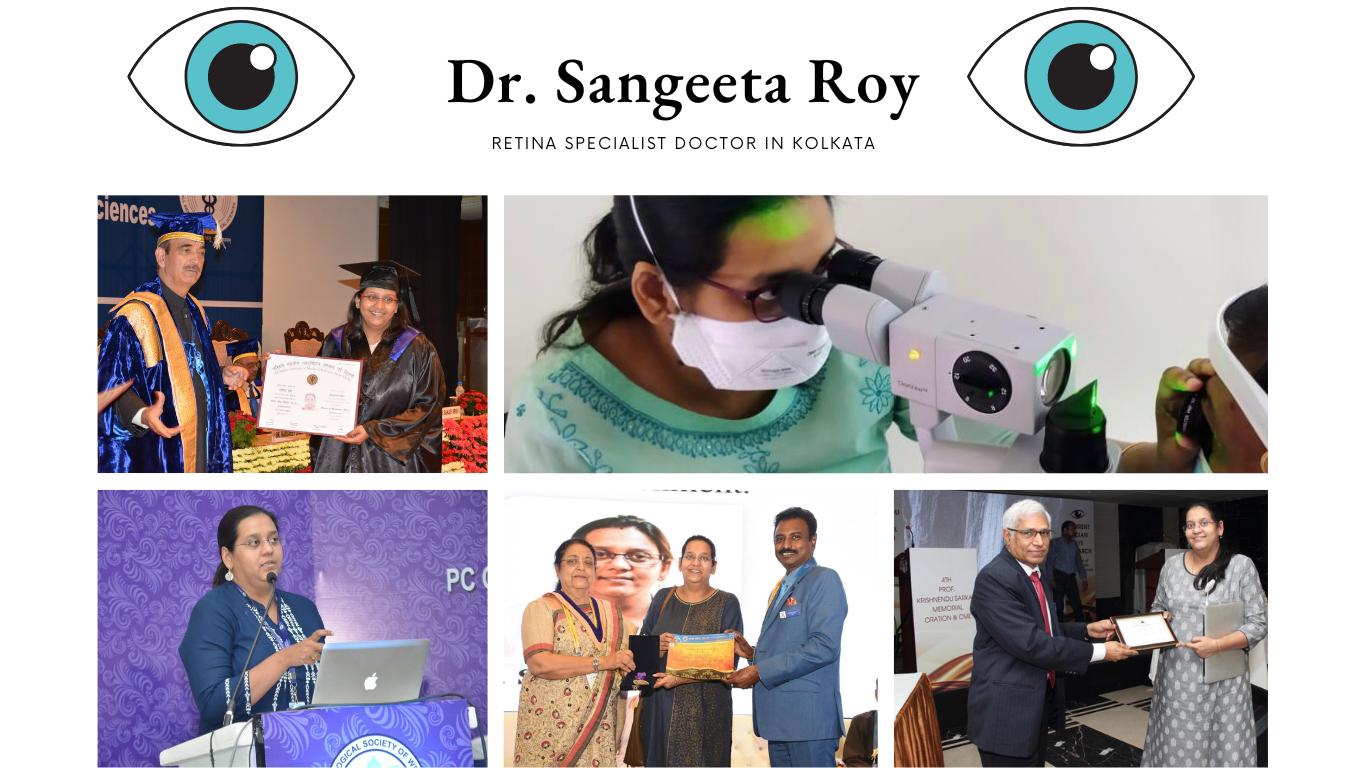
Dr. Sangeeta Roy Expert Retina Doctor in Kolkata at Premier Eye Clinic in Salt Lake.
At Dr. Sangeeta Roy’s Eye Clinic in Salt Lake, Kolkata, we are committed to providing comprehensive eye care with a focus on advanced retinal treatments. As a leading ophthalmologist, Dr. Roy brings extensive experience and expertise in managing a wide range of retinal conditions.
Surgical Retinal:-
Welcome to the premier destination for advanced retinal care. Under the expert guidance of Dr. Sangeeta Roy, our clinic offers top-tier surgical retinal services designed to address a wide range of retinal conditions with precision and care.
Comprehensive Surgical Retinal Services
At our clinic, we provide a comprehensive suite of surgical retinal procedures, including:
- Retinal Detachment
- Macular surgery
- Vitreous hemorrhage
- Diabetic retinopathy and screening
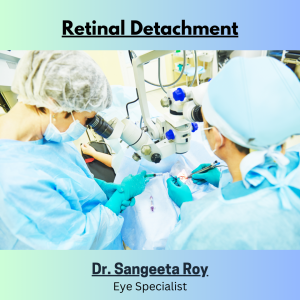
Premier Retina Doctor in Kolkata Offering Expert Treatment for Retinal Detachment
At a glance: Retinal Detachment
Early Symptoms: Sudden Appearance of Floaters, Flashes of Light, Shadow or Curtain Effect, Blurred Vision, Reduced Peripheral Vision
Diagnosis: Dilated eye exam
Treatment: Scleral Buckling, Pneumatic Retinopexy, Vitrectomy, Laser Therapy. Retinal detachment can cause permanent vision loss — So contact the Doctor immediately to protect your vision.
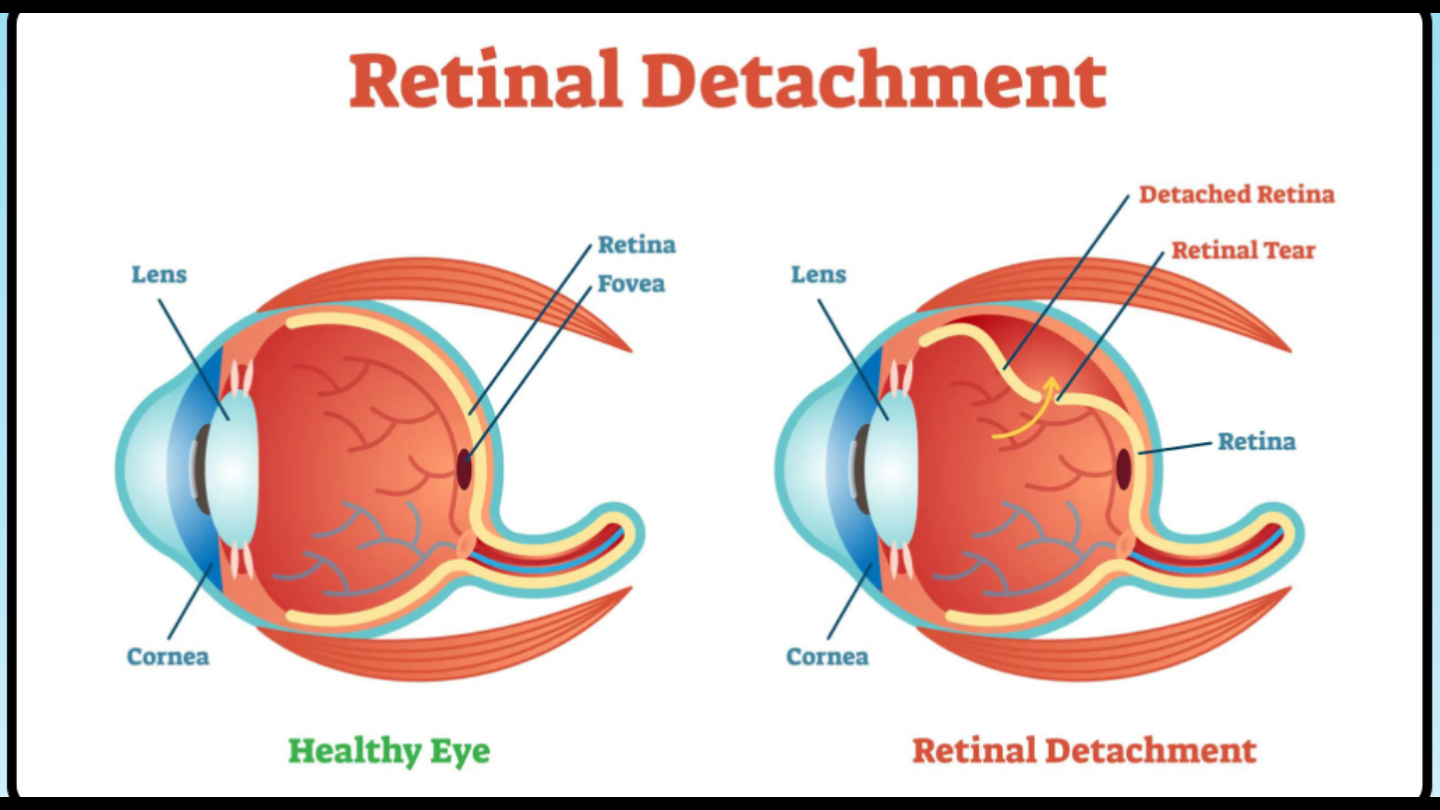
What is a Retinal Detachment?
Retinal detachment is a serious eye condition where the retina, the thin layer of tissue lining the back of the eye, pulls away from its normal position. The retina is responsible for capturing visual images and sending them to the brain through the optic nerve. When detachment occurs, it interrupts this process and can lead to vision loss if left untreated.
What are the symptoms of a Retinal Detachment?
1. Sudden Floaters: One of the hallmark signs of retinal detachment is the sudden appearance of floaters in your field of vision. These are tiny specks or strands that seem to drift aimlessly across your visual field, often resembling cobwebs or spots. While floaters can be common and harmless, an abrupt onset or an increase in their frequency should prompt immediate attention.

2. Flashes of Light: Another symptom to watch out for is the perception of flashes of light, especially in the peripheral vision. These flashes may resemble lightning bolts or flickering lights and can occur spontaneously, without any external stimuli. They are often indicative of the retina pulling away from the inner lining of the eye, causing mechanical stimulation of the light-sensitive cells.
3. Blurred Vision: As retinal detachment progresses, individuals may experience a sudden and significant deterioration in their visual acuity. Blurriness or distortion in vision, akin to looking through a foggy window or warped glass, can be a telling sign of impending retinal detachment.
4. Shadow or Curtain Effect: In advanced cases of retinal detachment, patients may perceive a shadow or curtain-like veil descending over their field of vision. This partial loss of sight typically starts from the periphery and gradually advances towards the center.
5. Reduced Peripheral Vision: A subtle yet crucial symptom of retinal detachment is the gradual loss of peripheral vision, also known as tunnel vision.
What causes a Retinal Detachment?
Age-related Changes: As individuals age, the vitreous gel within the eye naturally undergoes changes, becoming more liquefied. This age-related liquefaction can lead to the formation of small pockets of fluid between the retina and the underlying tissues, creating a propensity for detachment.
Trauma or Injury: High-impact trauma or injury to the eye can directly cause retinal detachment.
Pre-existing Eye Conditions: Certain eye conditions predispose individuals to retinal detachment. These include but are not limited to severe nearsightedness (myopia), previous eye surgeries, or a history of retinal detachment in one eye.
Family History: Genetics plays a significant role in the development of retinal detachment.
Other Factors: Additional factors such as advanced diabetes, inflammatory eye disorders, or the presence of lattice degeneration (abnormal thinning of the retina) can also increase the risk.
How will the doctor check for a Retinal Detachment?
- Visual Acuity Test: Dr. Roy will begin by conducting a visual acuity test to assess your overall vision.
- Slit Lamp Examination: Using a specialized microscope called a slit lamp, Dr. Roy will examine the structures of your eye.
- Ophthalmoscopy: During this procedure, Dr. Roy will use a device called an ophthalmoscope to get a closer look at the back of your eye.
- Ultrasound Imaging: In some cases where the retina is difficult to see clearly, Dr. Roy may recommend an ultrasound imaging test.
What’s the treatment for a Retinal Detachment?
- Laser Surgery (Laser Photocoagulation): In certain cases, retinal detachment can be treated with laser surgery. This involves using a laser to create tiny burns around the retinal tear.
- Cryopexy: A freezing probe is applied to the outer surface of the eye to create an adhesion between the retina and the underlying tissue.
- Scleral Buckling: For more severe cases, a silicone band or sponge-like material is placed around the outside of the eye (sclera) to gently push it inward.
- Vitrectomy: The vitreous gel is removed and replaced with a clear solution to help reposition the retina.
Why Choose Dr. Sangeeta Roy for Surgical Retinal Care in Kolkata?
Are you seeking expert care for your retinal health in Kolkata? Look no further than Dr. Sangeeta Roy, a renowned specialist in surgical retinal care. With her extensive experience and commitment to excellence, Dr. Roy stands as a trusted name in the field of ophthalmology.
Trusted Retina Doctor in Kolkata Offering Expert Macular Surgery Solutions
At a glance: Macular surgery
Early Symptoms: Blurry or Distorted Central Vision, Difficulty Reading or Recognizing Faces, Visual Distortions, Changes in Color Perception, Increased Sensitivity to Light
Diagnosis: Dilated eye exam
Treatment: Vitrectomy Surgery
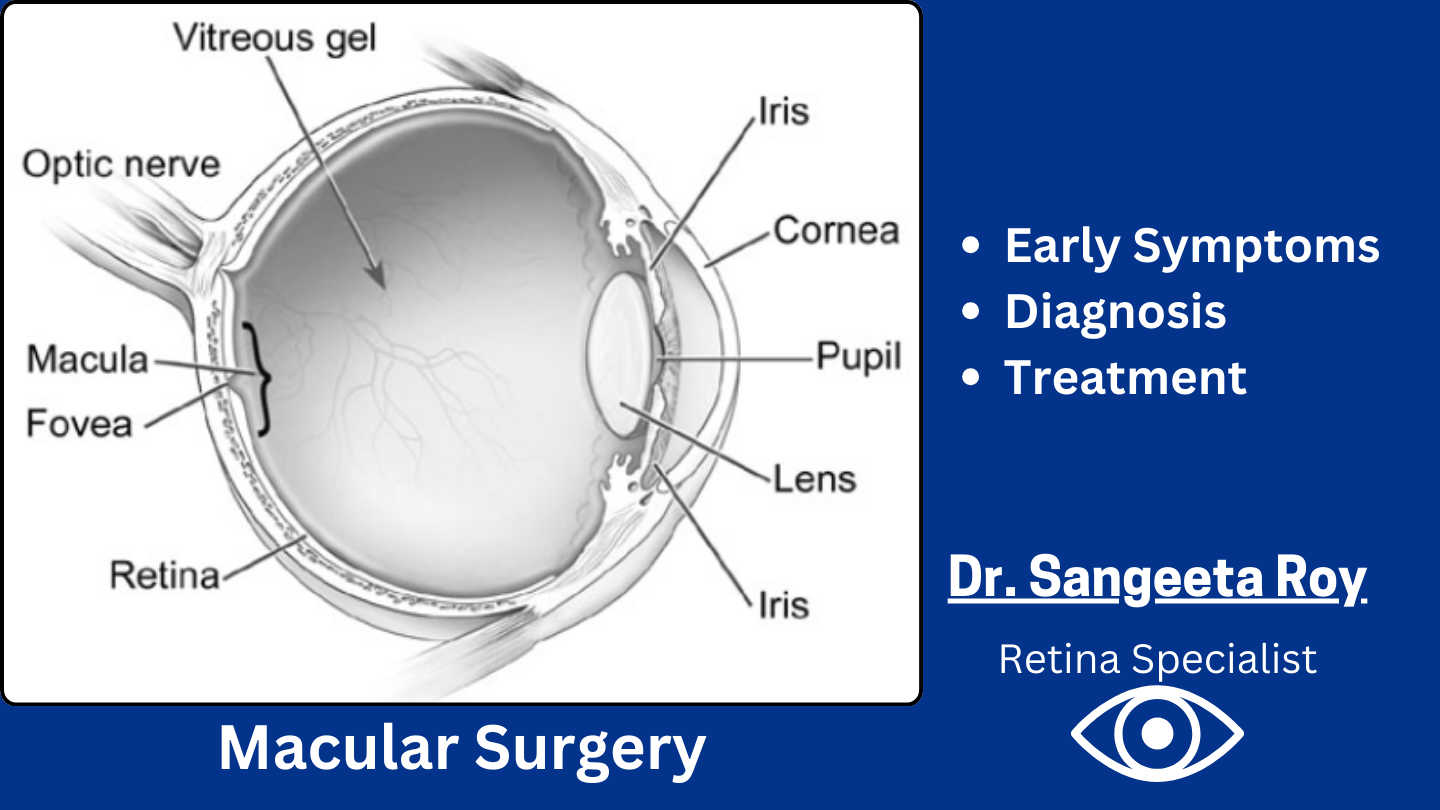
What is Macular Surgery?
Are you experiencing vision problems that seem to affect your central vision? It could be a sign of macular issues, a condition affecting the central part of the retina called the macula. As an eye specialist, Dr. Sangeeta Roy specializes in diagnosing and treating macular issues to help restore your vision and improve your quality of life. Macular surgery refers to surgical procedures aimed at treating conditions that affect the macula, often recommended when other non-surgical treatments have been ineffective.
What are the symptoms requiring Macular surgery?
- Blurred or distorted central vision
- Difficulty reading or recognizing faces
- Straight lines appearing wavy or distorted
- Dark or empty areas in your central vision
What causes these conditions?
Macular conditions can be caused by various factors, including age-related macular degeneration (AMD), diabetic retinopathy, macular holes, or macular pucker. Understanding the underlying cause is essential for determining the most effective treatment approach.
How will doctor check for Macular conditions?
- Visual acuity testing
- Dilated eye examination
- Optical coherence tomography (OCT) scan
- Fluorescein angiography
Treatment Options:-
Treatment depends on the underlying cause and severity of the condition. Dr. Sangeeta Roy offers advanced treatment options, including Vitrectomy surgery. She will discuss the available treatment options with you and recommend the most suitable approach.
Premier Retina Doctor in Kolkata: Expert Care for Vitreous Hemorrhage
At a glance: Vitreous haemorrhage
Early Symptoms: Floaters, Flashes of Light, Blurred Vision
Diagnosis: Dilated eye exam
Treatment: Vitrectomy, Intravitreal Injections, Laser Photocoagulation, Positioning
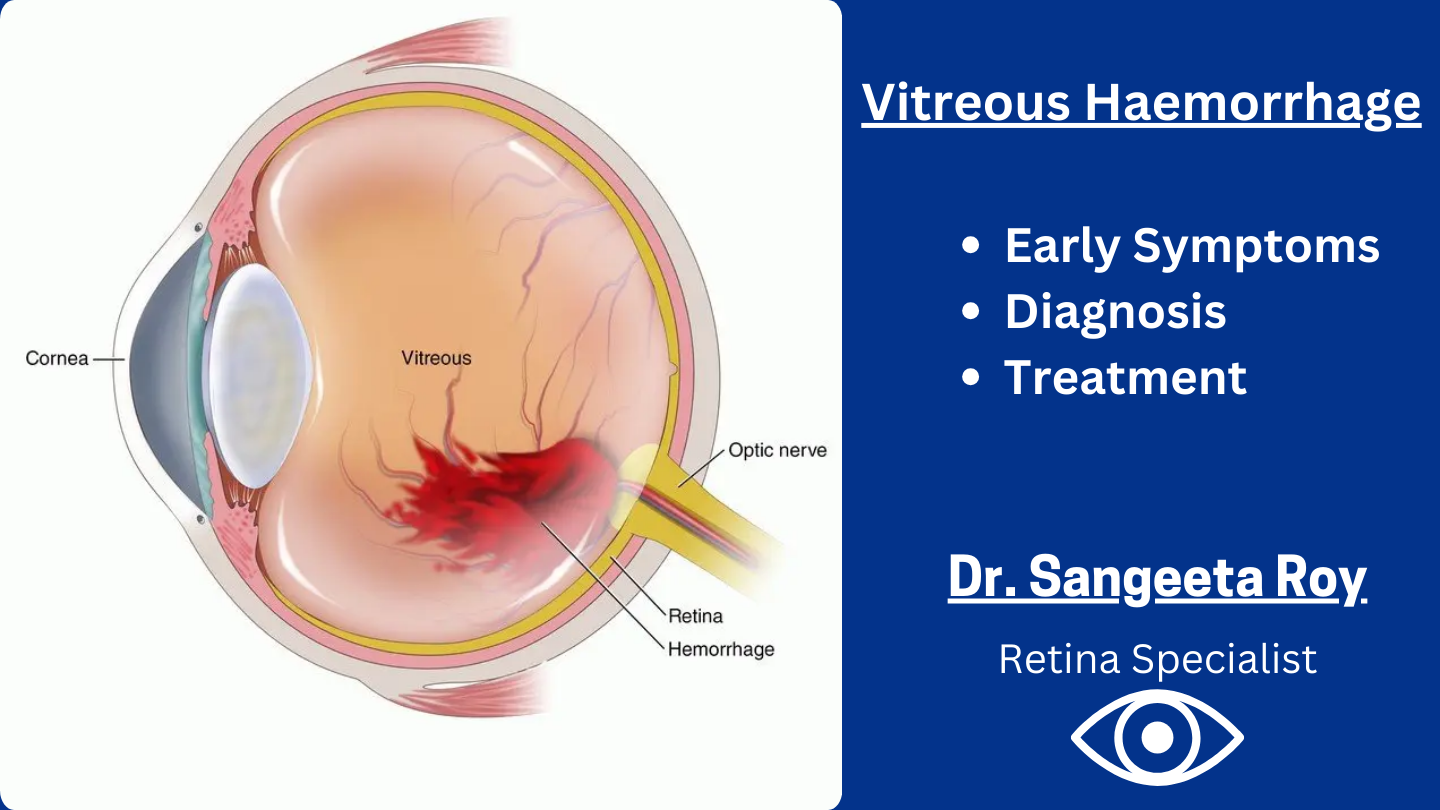
Understanding Vitreous Hemorrhage:
A vitreous hemorrhage occurs when blood leaks into the vitreous humour, the gel-like substance that fills the center of the eye. This bleeding can lead to vision impairment and other complications if left untreated.
Symptoms:
- Sudden decrease in vision
- Floaters or spots in vision
- Blurred or distorted vision
- Loss of peripheral vision
- Sensation of flashing lights
Causes:
- Diabetic retinopathy
- Age-related macular degeneration
- Retinal tears or detachments
- Trauma to the eye
- Blood vessel abnormalities
Diagnosis & Treatment:
Diagnosis involves visual acuity tests, dilated eye exams, OCT, and Fluorescein angiography. Treatment options may include observation for spontaneous resolution, Laser therapy to seal leaking blood vessels, or Vitrectomy surgery to remove the blood and repair retinal damage.
Diabetic retinopathy and screening:-
Diabetic retinopathy is a complication of diabetes that affects the blood vessels in the retina. Over time, high blood sugar levels can damage these blood vessels, leading to vision problems and even blindness if left untreated.
Symptoms & Causes
Early stages may not present noticeable symptoms. As it progresses, patients may experience blurred vision, floaters, difficulty seeing at night, and loss of central vision. The primary cause is prolonged exposure to high blood sugar levels, exacerbated by high blood pressure, high cholesterol, or pregnancy.
Screening & Treatment Options
Screening includes visual acuity tests, dilated eye exams, tonometry, and OCT. Treatment may include Intravitreal injections, Laser photocoagulation, or Vitrectomy.
Premier Eye Clinic in Salt Lake Kolkata Offering Expert Medical Retina Services
The medical retina is a vital component of our vision system, encompassing the delicate tissues at the back of the eye. Any abnormalities or diseases affecting this area can significantly impact one’s eyesight.
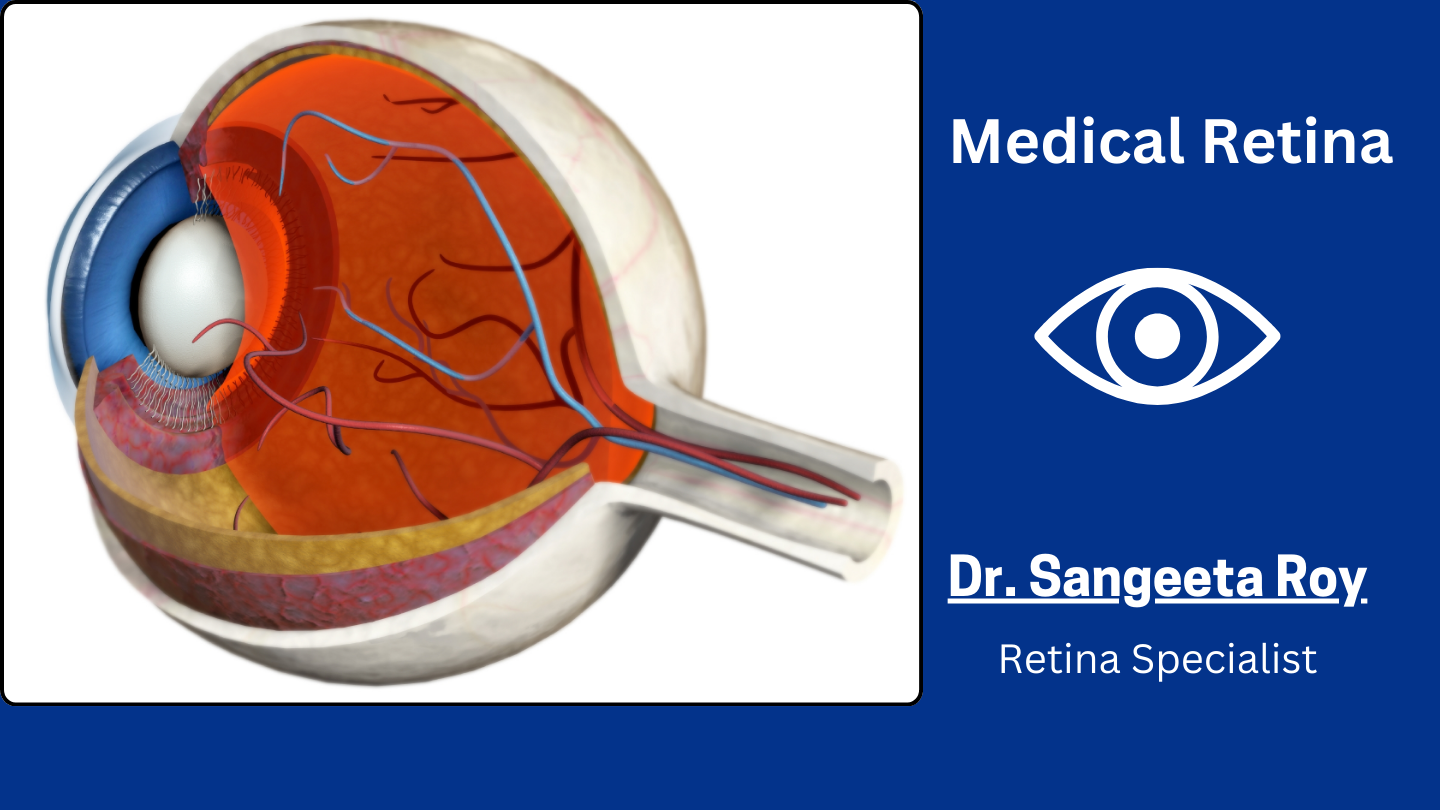
Early detection is key to managing medical retina disorders effectively. Common causes include Diabetes, Hypertension, Aging, Genetics, Smoking, and High cholesterol levels. Advanced treatment options include Intravitreal injections, Laser therapy, Vitrectomy, Photodynamic therapy, and medications to control underlying systemic conditions.
Expert Retina Doctor in Kolkata: Specialized Care for Trauma Cases
Are you or a loved one experiencing eye trauma? Understanding the importance of timely screening, recognizing symptoms, understanding causes, and seeking appropriate treatment is paramount.
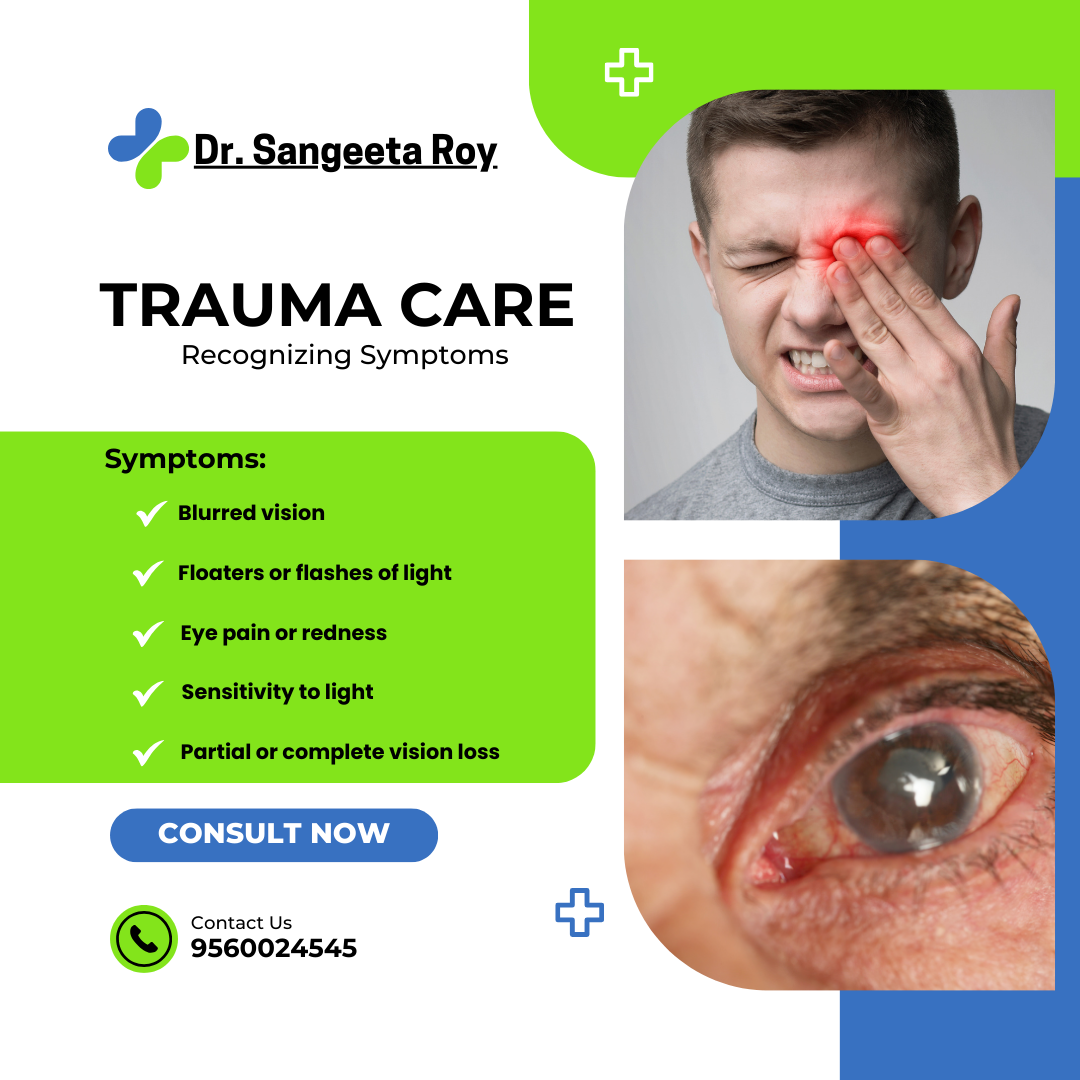
Eye trauma can manifest in various ways, from minor discomfort to severe vision loss. Symptoms include blurred vision, eye pain, sensitivity to light, and complete vision loss. We offer medications to reduce inflammation, surgical interventions for severe trauma, laser therapy, and rehabilitation.
Premier Eye Clinic in Salt Lake Kolkata: Expert Care for Uveitis
Uveitis is a complex condition characterized by inflammation of the uvea, the middle layer of the eye. It can affect one or both eyes and may lead to vision impairment if left untreated.
Symptoms & Causes:
Symptoms include eye redness, pain, blurred vision, light sensitivity, and floaters. It can be caused by Autoimmune disorders, Infections, Trauma to the eye, or Toxins/chemicals.
Treatment:
Treatment may include prescription eye drops, oral medications (corticosteroids), injections, or surgery to address complications.
Conclusion
We are proud to be the premier destination for comprehensive eye care in Salt Lake Kolkata. With a focus on excellence and compassion, Dr. Sangeeta Roy and our dedicated team strive to deliver exceptional results for every patient we serve.
Frequently Asked Questions (FAQ)
Q1: Who is Dr. Sangeeta Roy, and what services does she offer in Kolkata?
Ans: Dr. Sangeeta Roy is a highly regarded Retina Doctor in Kolkata. She provides a wide range of services related to retinal health, including diagnosis and treatment at her Eye Clinic in Kolkata.
Q2: How can I contact Dr. Sangeeta Roy’s Eye clinic for an appointment?
Ans: You can easily reach out to Dr. Sangeeta Roy’s Eye Clinic by visiting their website or calling their contact number to schedule an appointment.
Q3: What are the common retinal issues that Dr. Sangeeta Roy specializes in treating?
Ans: Dr. Sangeeta Roy specializes in treating various retinal conditions, including retinal detachment, macular degeneration, diabetic retinopathy, and retinal vein occlusion.
Q4: Is Dr. Sangeeta Roy’s clinic suitable for both adults and children with retinal problems?
Ans: Yes, Dr. Sangeeta Roy’s clinic is a family-friendly environment where she provides expert care for both adults and children dealing with retinal issues.
Q5: Are the services at Dr. Sangeeta Roy’s clinic affordable, or do they offer different pricing options?
Ans: Dr. Sangeeta Roy’s clinic offers a range of services to accommodate various budgets. The cost of your treatment may vary depending on the specific service required, and the clinic’s staff can provide you with detailed pricing information.
Q6: What signs should I be aware of that may indicate a retinal problem?
Ans: Common signs of retinal issues include sudden vision changes, such as floaters, flashes of light, or the sensation of a shadow or curtain descending over your field of vision. If you experience any of these symptoms, it’s essential to seek immediate medical attention.
Q7: What should I expect during a visit to an Eye clinic in Salt Lake Kolkata?
Ans: During a visit to an Eye clinic in Salt Lake Kolkata, you can expect a comprehensive eye examination, including tests to assess your vision and the health of your retinas. Depending on the findings, the doctor will recommend suitable treatments or interventions.
Q8: Are there any advanced treatments available for retinal disorders in Kolkata?
Ans: Yes, there are advanced treatments available for retinal disorders in Kolkata. Leading clinics, including Dr. Sangeeta Roy’s, offer state-of-the-art technology and surgical techniques for effective management of retinal conditions.
Q9: Can kidney disease affect your eyes?
Ans: Yes, kidney disease can affect your eyes, potentially leading to various vision problems. Common eye problems for people with kidney disease or who are on dialysis include dry, red, and sore eyes that feel gritty.